
I firmly believe in improving political education for young people and have previously served as a member of the All-Party Parliamentary Group (APPG) for Political and Media Literacy.
In my maiden speech, I outlined the importance of strong political and media literacy for our young people. I committed to working hard, across the divide, to ensure that others feel as comfortable, confident and capable as anyone else in political spaces, regardless of background.
I have also previously asked our Education Secretary, Bridget Phillipson, in Parliament, to consider foundational life skills at all Key Stages in the Curriculum and Assessment Review. The Review will carefully consider what education young people need, to make it as rich and as broad as possible, and what support teachers may need to teach the reformed curriculum successfully. This Review will report back this autumn.
In Parliament, I work closely with the APPG for media and political literacy, which works to ensure that all young people are politically and media literate by the time they finish their secondary education.
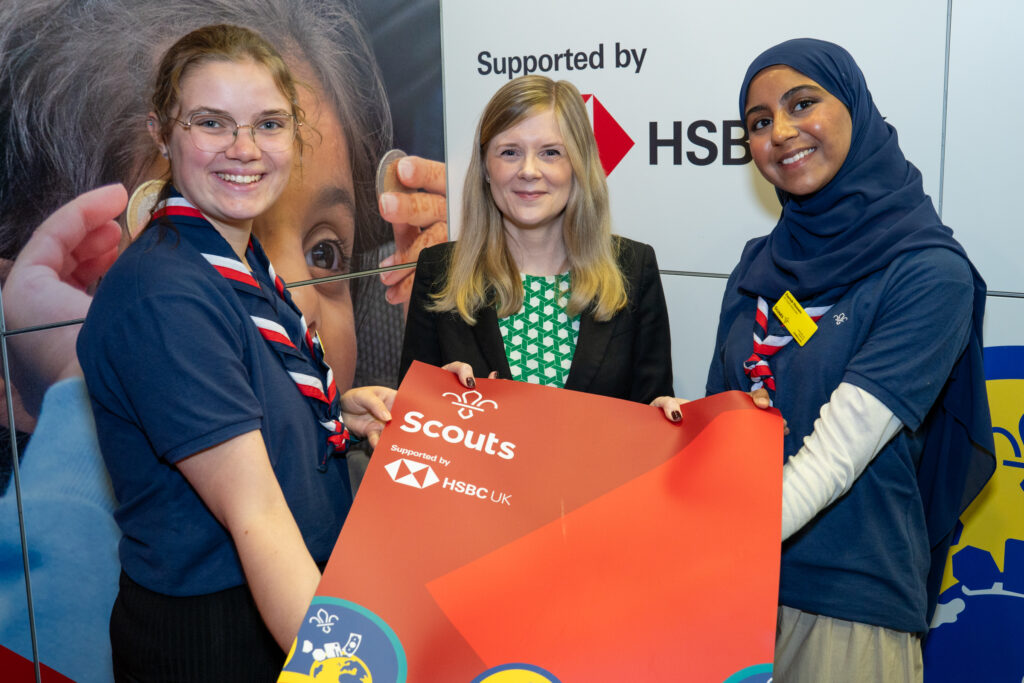
I was also the Vice Chair of the APPG for Financial Education for Young People. I helped lead this cross-party group of MPs and Peers towards our shared goal of helping ensure that everyone has both the confidence and knowledge they feel they need to make the right financial decisions for them.
More widely, I am setting up a new local partnership with Impart UK, a charity determined to equip young people to engage with debating skills, no matter their background. Their aim to provide better political education to all mirrors my own aim to break down the barriers to opportunity too often faced – a goal also shared by our new Labour government. There will be opportunities for schools to take part in a local debating competition – something we haven’t had here before.
I am always keen to promote the importance of political institutions, including town and parish councils, and personally always talk about the different tiers of government when in schools, colleges and at our local university. I have also visited UWE a number of times since the election, and welcomed students to Parliament too. I visited St Michael’s Primary School in January 2025, speaking to the pupils about democracy and using their voices. I’ve also met students from SGS College both on campus and here in Parliament, hearing more about what matters most to them, answering their brilliant questions, and – I hope – encouraging them to see themselves in politics or changemaking more widely.
I am thrilled to see the government will be lowering the voting age to 16 and enable young people to contribute to British democracy. However, this legislation alone is not sufficient in ensuring that the benefits of votes at 16 are maximised.
We need strong improvements in citizenship and political education in schools, and for citizenship education to be mandatory up to the age of 18. This will allow young people to have a continued momentum from learning about voting and what the major parties stand for, to actually getting into the polling booth and voting for the party they believe best represents them.
[PRS] We also need mandatory mock elections in schools. This will allow students to effectively have a practice run at voting, and encourage them to vote when they gain the ability to.
[PRS] Both of these changes will hopefully encourage young people to vote, and they will act as an investment in the future of voter turnout in the UK. This is particularly important as we saw a very low turnout of 60% in the 2024 general election, and for our democracy to flourish we need higher voter turnout.
As you may know, I was 19 when I was first selected to run for Parliament – then the second youngest candidate to represent a major party in history – so I’m hugely encouraging of young people getting involved at any and every level – we need their voices.