
The SEND system is broken, after years of neglect from the last Conservative Government. It is a terrible situation faced by too many children, young people and families, and it must improve. I want to see the link between background and opportunity broken, which means giving every child the support they need to thrive, without their loved ones having to fight for this.
Having experienced how challenging it was to try to get the right education for my sister, who has quite significant needs, along with wider support outside of school and now into her adult life, I have some personal experience of this too and am determined to do all I can to help improve this. I know the status quo cannot continue.
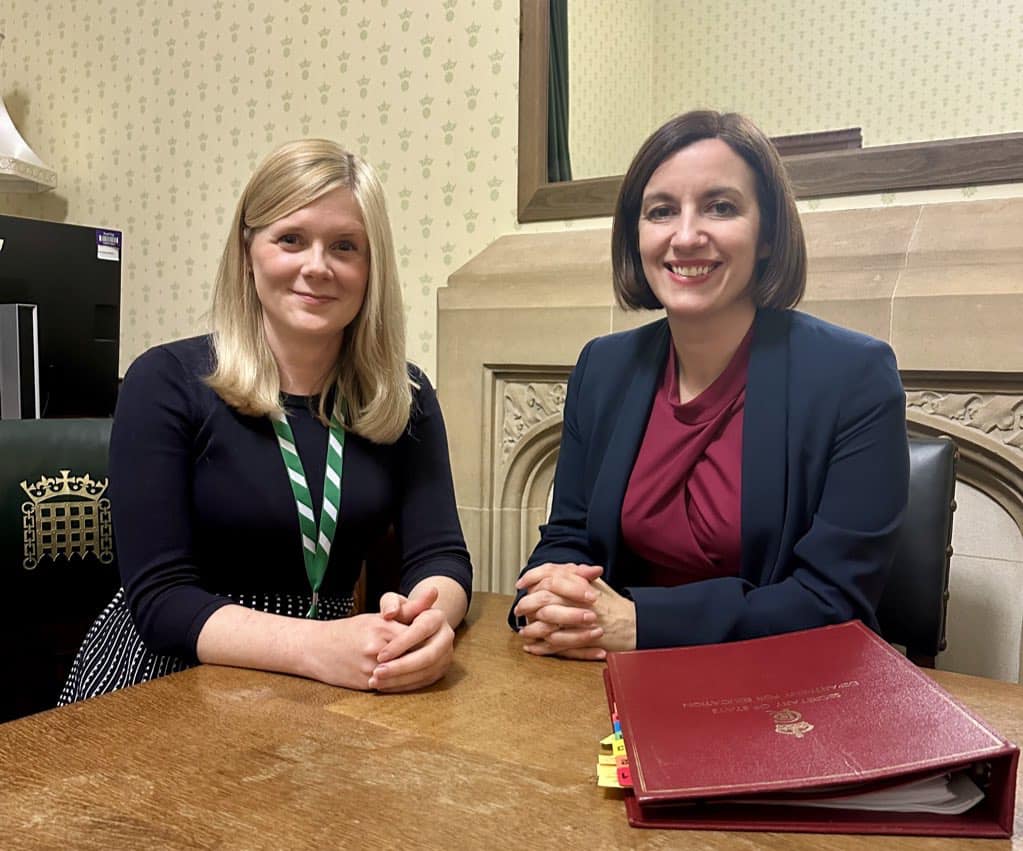
As you may be aware, the Department for Education has said it plans to publish a Schools White Paper early in the new year looking at much-needed SEND reform. Locally, I ran a specific ‘Coffee with Claire’ event a few months ago, bringing together parents and carers of children with SEND needs to consider what improved SEND support could look like. I also ran an online survey to capture as many views as possible across our community. Bringing these invaluable insights together, I collated and shared these with the Education Secretary to make sure local voices are heard in the Schools White Paper. In case of interest, you can read my letter here.
Given the breadth and depth of insight received on this incredibly important issue, and the recent publication of the Education Select Committee’s new report on ‘Solving the SEND Crisis’, following their inquiry, the Education Secretary has committed that the Department for Education is going to engage even more deeply with parents, educators and other stakeholders, and to create time to give your views, those of others with experience, and the report the full consideration they deserve.
I am particularly pleased that one of the key reasons for this decision is that, following the Select Committee’s report, Education Ministers have taken the decision to enter a further period of co-creation – testing proposals with families, teachers, and experts.
In case of interest, the Education Select Committee’s full report (and helpful shorter summary of their 34 recommendations, having received almost 900 submissions) can be found here, and the letter from the Education Secretary to the Chair of the Education Select Committee, Helen Hayes MP, following its publication here.
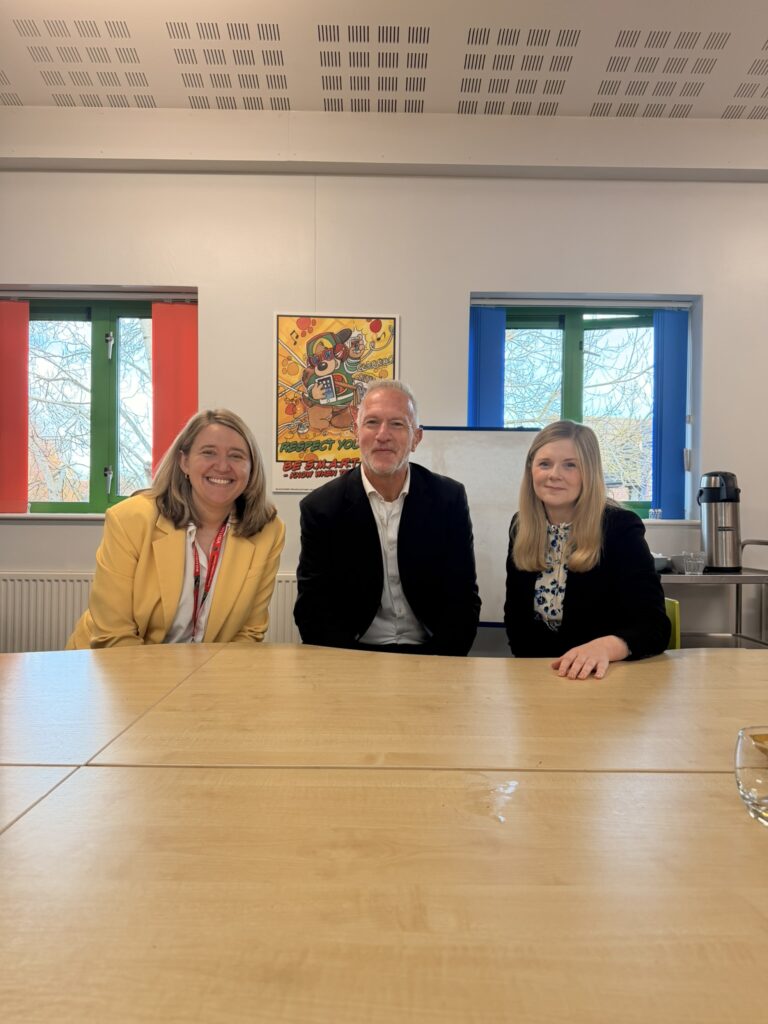
I was pleased to welcome the Schools Minister, Georgia Gould, to our community at the end of last year to see some of the recent work at Blackhorse Primary School on SEND support, and also to have a wider conversation about SEND support in our area, also involving Department for Education (DfE) Regional Director Lead Lucy Livings, and South Gloucestershire Council Co-Leader and Cabinet Member for Education Cllr Ian Boulton. The particular school was selected by DfE based on its mainstream inclusion focus, though all involved fully recognise that different children and families have different experiences of provision. I am glad that our community is being centred in discussions, as our voices were not heard for many years. We also took the opportunity to raise the long-term challenge with school funding in South Glos for years now, which has been heard by the Minister.
So many local families with children with SEND have told me that they have really struggled to get the support they need. I’ve heard from many about the difficulties parents and carers, children and teachers have faced and that feeling so many people share, that they have been set up to fail by a system that is broken. I have also really welcomed hearing about some of the good practice and support that exists in our community, like Mamas Bristol in Bradley Stoke, who – as part of their wide-ranging support for local families – provide play and sensory sessions for children with SEND. I have also been informed that some of our schools, including Bowsland Green Primary and Winterbourne Academy, are particularly good at supporting children with SEND. The South Gloucestershire Parent Carers Forum, and the Special Educational Needs and Disability Information Advice and Support Service (SENDIASS) also provide vital resources and information
I’m proud that our Labour Government is treating this issue with the urgency and seriousness it deserves. In its first year, the government has committed £740 million to create 10,000 new specialist places in mainstream schools. With only one in ten schools currently offering specialist provision, this funding will help expand and adapt facilities so more pupils can have their needs met in inclusive environments. It’s estimated that at least 15,000 children and young people will benefit.
I also welcome the £22 million investment in the Partnerships for Inclusion of Neurodiversity in Schools (PINS) programme, which brings health and education specialists into primary schools to help staff better support neurodivergent children. The programme is being evaluated to inform future policy, and I’m grateful to the local schools taking part in this. I have been in touch with them all to seek their insights and best practice, which I will also share directly with the Education Secretary to make sure local voices are always heard.
Alongside this, Labour’s £1 billion boost to high needs budgets and the rollout of new Best Start Family Hubs will ensure families get the early support they need, building a stronger foundation for every child. This funding will lead to the opening of 1,000 Best Start Family Hubs across the country by April 2026 to provide wide-ranging help for families, such as parenting and early development – including £154,823 in South Gloucestershire. These will as a one stop shop for parents seeking a range of support, including on difficulty breastfeeding, housing issues or children’s early development and language, reassuring families that they have convenient access to support in their local area or can be efficiently connected to specialist local services.
But we all know that money alone isn’t enough – and takes time to work through to where it’s needed most – and that we need wide-ranging, whole system reform for families to really feel the benefit.
I know from speaking to Ministers – including the Education Secretary personally – that they have been laying the groundwork for change with a number of programmes: Early Language Support for Every Child working in partnership with the NHS, Inclusion 2028 to ensure children with SEND can take part in sport alongside their friends, and ensuring better training for classroom teachers; to name a few. They’ve also been using that time to engage with experts, a number of whom have been brought in by the Department for Education to help guide reforms.
There are four key principles guiding our Labour Government’s work. Firstly, the voices of children, young people and their families must be at the forefront of any reform. Secondly, children should get support when they need it, as early as possible. Thirdly, investment must be focused within our communities, so children do not have to travel far away from their families and homes. Finally, support for young people should not just be in school, but through wider support services.
In Parliament, I am a member of the All-Party Parliamentary Group (APPG) on SEND. The aim of this group is to champion the rights and futures of children and young people with SEND, working collaboratively with stakeholders across health, education, local authorities, carers, parents and young people themselves, to make recommendations to improve SEND provisions and outcomes.
More widely, I’m pleased that our Labour Government has prioritised increasing the core schools budget. This has been increased by £2.3 billion for 2025/26, including a vital £1 billion ringfenced for SEND funding, and providing South Gloucestershire Local Authority £4,837,054.12 to improve SEND support for children. This is a welcome step forward, and I will continue to advocate for our local children, families, and schools to ensure our area receives the resources it needs.